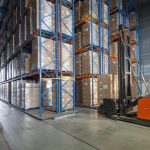
Racking safety is fundamental to the success of warehouse operations, serving as the essential framework for efficiently organising and storing goods. As businesses strive for operational excellence, prioritising racking safety becomes vital not only for safeguarding their workforce but also for protecting valuable inventory. By implementing robust safety measures, organisations can create a secure environment that enhances productivity and minimises risks.
Moreover, a well-designed and maintained racking system optimises space utilisation, allowing warehouses to maximise their storage capacity without incurring additional costs. This efficiency directly impacts the bottom line, enabling businesses to operate more competitively in a demanding market. Additionally, fostering a culture of safety through training and regular inspections ensures compliance with industry standards, further mitigating potential hazards. In this context, racking safety transcends mere compliance; it is a strategic investment in the overall health and success of the organisation.
The Importance of Racking Safety
Racking systems are integral to the logistics and supply chain industries, facilitating the seamless movement and storage of products – from small components to large pallets. Their primary importance lies in maximising space utilisation, which is crucial in high-volume operations where every square meter counts. By optimising vertical space, these systems enable warehouses to increase their capacity without expanding their footprint, leading to significant cost savings.
Beyond space optimisation, racking systems enhance operational productivity. They streamline picking and replenishment processes, reducing the time employees spend searching for items. This efficiency boosts overall throughput and minimises errors, which can lead to costly mistakes or delays.
Understanding Duty Holder Responsibilities
Duty holders – typically business owners or warehouse managers – are accountable for the safe management and maintenance of racking systems. Key responsibilities include:
- Arranging regular inspections by qualified inspectors.
- Implementing systems to report and rectify racking damage or defects.
- Maintaining up-to-date inspection and repair records.
- Ensuring staff are trained on safe racking use and loading.
- Displaying clear load notices and signage as required by law.
Educating staff about these responsibilities helps businesses meet legal requirements and effectively manage risks associated with pallet racking.
Expert Inspections
In addition to regular visual checks, warehouse racking systems require comprehensive annual inspections by a “Technically Competent Person.” These detailed assessments ensure compliance with original design and installation standards. Our qualified SEMA Approved Racking Inspectors conduct thorough evaluations of all racking components.
During the structural inspection, inspectors carefully evaluate uprights for any dents, bends, or corrosion that might weaken their integrity. They examine beams for indications of overloading, cracks, or misalignment, ensuring that safety pins and connectors are properly engaged and in good condition. Additionally, bracing is inspected for correct installation and any signs of wear, while floor fixings are checked to confirm secure anchoring. Safety accessories like column guards and barriers are also inspected for proper installation and functionality. Inspectors cross-check rack configurations against load notices to ensure compliance with the latest SEMA standards.
Regular inspections are essential for maintaining the structural integrity and safety of racking systems. By systematically covering every component – uprights, beams, bracing, and safety accessories – inspectors can swiftly identify areas of concern, enabling timely corrective actions and prioritising necessary repairs. This proactive approach not only enhances safety but also extends the lifespan of racking systems.
Tailored Training for Safety and Compliance
Racking compliance training is vital for responsible employers and should be customised to meet the specific needs of the environment and workforce. Brysdales recognises the importance of a well-informed workforce and offers comprehensive racking training courses, all assessed and assured by RoSPA, a leading health and safety charity.
Our training sessions cover essential topics, including:
- Racking system components and their functions
- Proper load distribution and weight capacity
- Identifying signs of damage and wear
- Safe handling and storage practices
- Emergency procedures in the event of a racking incident
By empowering warehouse staff with this knowledge, Brysdales fosters a culture of safety and responsibility, where every employee plays a vital role in maintaining the integrity of the racking system. This tailored approach not only ensures compliance but also enhances overall safety and operational efficiency.
Comprehensive Design, Installation, and Maintenance Services
Many organisations offer a full suite of racking fit-out and maintenance services. This includes working closely with clients to design customised racking solutions that optimise space utilisation and comply with relevant regulations. From initial consultations to installation, these services ensure a seamless transformation of warehouses into efficient storage operations. Maintenance services also provide ongoing care, from routine checks to major repairs.
Trusted Racking Repair and Replacement
Adhering to industry guidelines is crucial for maintaining racking integrity. Any damaged components should be promptly repaired or replaced by qualified personnel, ensuring that repairs do not compromise safety or functionality.
Getting Your Racking Layout Right
Setting up a warehouse can be challenging, but careful planning can lead to success. Conducting thorough dimension surveys ensures that the warehouse is set up efficiently, protecting budgets and timelines from costly errors.
Legal Compliance: Load Notices
Displaying load notices on racking systems is often a legal requirement and serves a critical role in warehouse safety. These notices provide essential information regarding load limits, including the maximum weight that can be safely stored on each level of the racking system. By clearly outlining the safe usage parameters, load notices help prevent overloading, which is a leading cause of racking failures and accidents.
Load notices should include specific details such as:
- Maximum Load Capacity: Clear indications of the weight limits for each shelf or section of the racking system.
- Safe Storage Practices: Guidelines on how to distribute loads evenly across the racking system to prevent tipping or collapse.
- Warnings Against Overloading: Visual indicators or colour coding to emphasise the risks associated with exceeding load limits.
Compliance with standards set by recognised bodies, such as the Health and Safety Executive (HSE) and the Storage Equipment Manufacturers Association (SEMA), ensures that racking systems are designed and maintained to support the intended loads and withstand operational demands. Regular audits and inspections should verify that load notices are up-to-date and accurately reflect the current configuration and condition of the racking system.
In addition to enhancing safety, displaying load notices fosters a culture of responsibility among warehouse staff. Employees become more aware of the importance of adhering to load limits, contributing to a safer work environment. Failure to comply with load notice regulations can result in severe consequences, including legal penalties, increased insurance costs, and, most importantly, the risk of injury or loss of life.
Conclusion
Racking safety is not just a regulatory obligation; it is a crucial aspect of warehouse operations that protects businesses, employees, and products. At Brysdales, we understand that by prioritising compliance and safety, organisations can ensure their racking systems are secure, efficient, and fully compliant. Investing in proper training, regular inspections, and effective maintenance not only enhances safety but also contributes to overall operational efficiency. In doing so, businesses can cultivate a safer, more productive working environment that supports their operational goals and protects their most valuable resources: their people and products.