In today’s fast-paced business landscape, efficiency is more than a buzzword – it’s a necessity. As companies strive to optimise operations and maximise space, dynamic storage systems have emerged as a revolutionary solution. These adaptable systems not only enhance organisation but also significantly improve workflow, ensuring that your resources are utilised to their fullest potential. Whether you’re managing inventory in a bustling warehouse or streamlining supplies in a compact office, understanding the fundamentals of dynamic storage can transform your approach to storage management. This beginner’s guide will introduce you to the key concepts and benefits of dynamic storage systems, providing you with the insights needed to elevate your operational efficiency. Prepare to unlock new levels of productivity and make every inch of your space work harder for you.
Understanding Dynamic Storage Systems
Dynamic storage systems are innovative solutions designed to efficiently manage and organise physical space within a business environment. Unlike traditional static storage methods, which can be inflexible and inefficient, dynamic storage systems are adaptable, scalable, and capable of evolving with the needs of the business. These systems are engineered to move, adjust, and grow, providing a versatile framework that can handle a variety of storage requirements.
The concept of dynamic storage is built on the principle of maximising space utilisation and enhancing accessibility. This is achieved through the use of various mechanisms such as mobile shelving, automated storage and retrieval systems (AS/RS), and carousel storage systems. By implementing these technologies, businesses can significantly reduce the time and effort required to store and retrieve items, leading to improved productivity and cost savings.
Dynamic storage systems are not limited to large warehouses or industrial settings. They can be effectively implemented in a range of environments, including offices, retail spaces, and healthcare facilities. The versatility of these systems makes them an ideal solution for any business looking to optimise their storage operations and improve overall efficiency.
The Importance of Efficient Storage Solutions
In the modern business world, efficient storage solutions are critical to maintaining a competitive edge. Inefficient storage can lead to a multitude of problems, including wasted space, increased labour costs, and decreased productivity. By implementing dynamic storage systems, businesses can address these issues and create a more streamlined and effective operation.
One of the primary benefits of efficient storage is the ability to maximise the use of available space. This is particularly important for businesses operating in urban areas where real estate is at a premium. Dynamic storage systems allow companies to make the most of their existing space, reducing the need for costly expansions or relocations.
Additionally, efficient storage solutions can significantly improve the workflow within a business. By reducing the time and effort required to store and retrieve items, employees can focus on more value-added tasks, leading to increased productivity and job satisfaction. This, in turn, can have a positive impact on the overall performance and profitability of the business.
Key Features of Dynamic Storage Systems
Dynamic storage systems are characterised by a range of features that set them apart from traditional storage methods. One of the most notable features is their adaptability. These systems are designed to be easily reconfigured to accommodate changing storage needs, making them a flexible solution for businesses of all sizes.
Another key feature of dynamic storage systems is their ability to enhance accessibility. By utilising mechanisms such as mobile shelving and automated retrieval systems, these solutions can significantly reduce the time and effort required to access stored items. This not only improves efficiency but also reduces the risk of injury associated with manual handling.
Dynamic storage systems are also known for their scalability. As a business grows, so too can its storage system. This ensures that the storage solution remains effective and efficient, regardless of the size or complexity of the operation. Additionally, many dynamic storage systems are designed with sustainability in mind, incorporating energy-efficient technologies and materials to reduce their environmental impact.
Types of Dynamic Storage Systems
There are several types of dynamic storage systems available, each designed to meet specific storage needs and applications. One of the most common types is mobile shelving. This system consists of shelves mounted on tracks that can be moved to create a compact storage solution. Mobile shelving is ideal for environments where space is limited, such as offices and retail spaces.
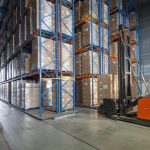
Another popular type of dynamic storage system is the automated storage and retrieval system (AS/RS). These systems use computer-controlled mechanisms to automatically store and retrieve items, eliminating the need for manual handling. AS/RS is particularly well-suited for large warehouses and distribution centres, where speed and accuracy are critical.
Carousel storage systems are another type of dynamic storage solution. These systems use rotating shelves or bins to store and retrieve items, making them an efficient solution for environments with high storage density requirements. Carousels can be either horizontal or vertical, depending on the available space and the specific needs of the business.
Benefits of Implementing Dynamic Storage Solutions
The implementation of dynamic storage solutions offers numerous benefits for businesses. One of the most significant advantages is the ability to maximise space utilisation. By making better use of available space, businesses can reduce the need for additional storage facilities, leading to cost savings and improved operational efficiency.
Another key benefit is the improvement in accessibility and organisation. Dynamic storage systems are designed to make it easier to store and retrieve items, reducing the time and effort required for these tasks. This not only enhances productivity but also reduces the risk of errors and injuries associated with manual handling.
Dynamic storage solutions also offer greater flexibility and scalability. As a business grows and evolves, its storage needs may change. Dynamic storage systems can be easily reconfigured to accommodate these changes, ensuring that the storage solution remains effective and efficient. Additionally, many dynamic storage systems are designed with sustainability in mind, incorporating eco-friendly materials and energy-efficient technologies to reduce their environmental impact.
Factors to Consider When Choosing a Dynamic Storage System
When selecting a dynamic storage system, there are several factors that businesses should consider to ensure they choose the right solution for their needs. One of the most important factors is the specific storage requirements of the business. This includes the type of items being stored, the volume of inventory, and the available space.
Another key consideration is the level of automation required. While some businesses may benefit from fully automated storage and retrieval systems, others may find that a more manual solution, such as mobile shelving, is sufficient. It is important to assess the needs of the business and choose a system that provides the right balance of automation and manual control.
Cost is also a critical factor when choosing a dynamic storage system. While these systems can offer significant cost savings in the long run, the initial investment can be substantial. Businesses should carefully evaluate the potential return on investment and consider factors such as installation costs, maintenance, and potential future scalability.
How to Integrate Dynamic Storage into Your Business Operations
Integrating dynamic storage systems into your business operations requires careful planning and execution. The first step is to conduct a thorough assessment of your current storage needs and identify areas where dynamic storage solutions can provide the most benefit. This may involve analysing your inventory, workflow, and available space.
Once you have identified the areas for improvement, the next step is to select the appropriate dynamic storage system. This may involve consulting with storage solution providers to determine the best fit for your needs. It is important to consider factors such as the level of automation, scalability, and cost when making your decision.
After selecting the appropriate system, the next step is to implement the solution. This may involve installing new equipment, reconfiguring existing storage areas, and training employees on the new system. It is important to ensure that the implementation process is carefully managed to minimise disruption to your operations and maximise the benefits of the new system.
Future Trends in Storage Solutions
As technology continues to evolve, so too do the possibilities for dynamic storage solutions. One of the most significant trends in this area is the increasing use of automation and robotics . Advances in robotics technology are making it possible to create highly efficient and flexible storage systems that can adapt to the changing needs of businesses.
Another emerging trend is the use of artificial intelligence (AI) and machine learning to optimise storage operations. These technologies can analyse large amounts of data to identify patterns and trends, allowing businesses to make more informed decisions about their storage needs. This can lead to improved efficiency, reduced costs, and better utilisation of space.
Sustainability is also becoming an increasingly important consideration in the design of dynamic storage systems. Many businesses are looking for ways to reduce their environmental impact, and storage solutions are no exception. This is leading to the development of more energy-efficient systems and the use of eco-friendly materials in their construction.
Conclusion: Maximising Efficiency with Dynamic Storage Systems
In conclusion, dynamic storage systems offer a powerful solution for businesses looking to optimise their operations and maximise the use of their space. By implementing these innovative storage solutions, businesses can improve efficiency, reduce costs, and enhance overall performance. Whether you’re managing inventory in a bustling warehouse or streamlining supplies in a compact office, understanding the fundamentals of dynamic storage can transform your approach to storage management.
As we have seen, there are numerous types of dynamic storage systems available, each with its own unique features and benefits. From mobile shelving to automated storage and retrieval systems, these solutions offer a range of options to suit the specific needs of your business. By carefully considering factors such as your storage requirements, level of automation, and budget, you can select the right system to meet your needs.
Looking to the future the continued evolution of technology promises to bring even more advanced and efficient storage solutions. By staying informed about the latest trends and developments, businesses can ensure they remain at the forefront of innovation and continue to unlock new levels of efficiency. Ultimately, dynamic storage systems represent a valuable investment that can help businesses thrive in today’s competitive landscape.