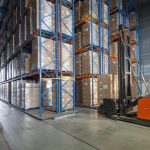
Optimising Warehouse Efficiency
Warehouse efficiency refers to the ability of a warehouse to manage and optimise its processes to streamline operations, reduce costs, and improve service delivery. It encompasses various factors, including layout design, inventory management, order fulfilment, and the use of technology. By achieving a high level of efficiency, businesses can ensure that products are stored, retrieved, and shipped with minimal delays and errors. This not only enhances productivity but also contributes significantly to customer satisfaction and retention.
A well-organised warehouse can significantly impact a company’s bottom line. Efficient warehouses reduce operational costs by minimising wasted space and resources, thus ensuring that labour and equipment are utilised effectively. This aspect of warehouse management involves analysing workflows and identifying bottlenecks that hinder productivity. Properly understanding and implementing warehouse efficiency strategies can lead to faster turnaround times, reduced labour costs, and improved overall performance.
Ultimately, warehouse efficiency is about creating a seamless flow of goods from receipt to dispatch. This requires a thorough understanding of inventory levels, product types, and storage capabilities. By integrating these elements, businesses can develop a warehouse operation that not only meets current demands but also adapts easily to future challenges and opportunities.
Importance of Optimising Warehouse Efficiency
Optimising warehouse efficiency is crucial for several reasons. Firstly, it significantly enhances productivity, allowing businesses to handle higher volumes of inventory without a proportional increase in costs. With an efficient warehouse, employees can locate and retrieve items quickly, reducing the time taken for order fulfilment. This speed not only satisfies customer expectations for prompt delivery but also positions the company as a competitive player in the market.
Secondly, optimising warehouse operations leads to better space utilisation. Effective storage solutions ensure that every square metre of warehouse space is used efficiently, allowing for more products to be stored without the need for expanding physical space. This optimisation can be achieved through various methods, such as implementing vertical storage solutions or reconfiguring existing layouts. The result is a more organised, productive environment that can adapt to changing inventory needs.
Finally, improved warehouse efficiency contributes to enhanced safety and reduced operational risks. A well-organised warehouse reduces the likelihood of accidents, as employees can navigate the space safely and easily. Furthermore, by utilising appropriate storage solutions and designing workflows that minimise hazards, businesses can create a safer working environment. This not only protects employees but also mitigates the potential for costly disruptions and liabilities.
Common Challenges in Warehouse Storage
Warehouse storage operations face a myriad of challenges that can hinder efficiency and productivity. One of the most common issues is the mismanagement of inventory. Inaccurate inventory levels can lead to overstocking or stockouts, both of which negatively impact operations. Overstocking ties up capital and increases storage costs, while stockouts can result in lost sales and dissatisfied customers. Maintaining accurate inventory records is essential for addressing these challenges and ensuring smooth operations.
Another significant challenge is the layout and design of the warehouse itself. An inefficient layout can create unnecessary bottlenecks and hinder the movement of goods, leading to increased labour costs and longer cycle times. Poorly designed workflows may result in employees spending excessive time travelling between storage locations, ultimately impacting productivity. Therefore, a well-thought-out layout that enhances accessibility and flow is vital for optimising warehouse efficiency.
Additionally, the integration of technology can pose challenges for warehouse operations. While automation and advanced inventory management systems can streamline processes, the transition to these technologies may be complex and require significant investment. Employees may also need training to adapt to new systems, which can temporarily disrupt operations. Navigating these challenges effectively is crucial for leveraging technology to enhance warehouse efficiency.
Factors to Consider When Determining the Right Storage Solution
When selecting the right storage solution for a warehouse, several factors must be taken into account. Firstly, understanding the nature of the products being stored is essential. Different products have varying size, weight, and handling requirements, which influence the choice of storage solution. For instance, bulky items may necessitate heavy-duty shelving or pallet racking systems, while smaller items may benefit from bin storage or shelving units. Assessing the characteristics of the inventory will guide decision-making in selecting appropriate storage solutions.
Secondly, the available warehouse space plays a critical role in determining the right storage solution. Maximising vertical space can significantly increase storage capacity without expanding the warehouse footprint. Evaluating the height and dimensions of the warehouse allows businesses to explore options such as high-rise racking systems or mezzanine storage. Moreover, understanding the layout of the space is important for ensuring that the chosen storage solution complements the overall workflow and accessibility.
Lastly, it is essential to consider future growth and scalability. As businesses evolve, their storage needs may change. Selecting a storage solution that can adapt to fluctuating inventory levels and allow for easy reconfiguration is vital. Investing in modular storage systems or adjustable shelving can provide the flexibility needed to accommodate future demands while maintaining optimal efficiency in warehouse operations.
Different Types of Storage Solutions
There is a wide array of storage solutions available to optimise warehouse efficiency, each suited to specific needs and types of inventory. Selective pallet racking is one of the most commonly used systems, allowing easy access to individual pallets while maximising floor space. This racking system is ideal for businesses with a diverse range of products and facilitates efficient order picking. Its adjustable design also permits flexibility in accommodating different pallet sizes.
Drive-in racking systems offer a different approach by allowing forklifts to drive directly into the racking structure. This solution is particularly advantageous for businesses with high-density storage requirements, as it utilises the available space efficiently. However, while drive-in racking maximises storage capacity, it may complicate inventory management due to the last-in, first-out (LIFO) retrieval method. Therefore, it is essential to assess the type of inventory and storage turnover before choosing this solution.
Mezzanine storage systems provide an innovative way to increase storage space without the need for a large warehouse expansion. By using elevated platforms, businesses can create additional storage areas for less frequently accessed items. This solution is particularly useful for organisations that require a combination of workspace and storage, allowing for the efficient use of vertical space. However, careful planning is required to ensure safety and compliance with regulations when implementing mezzanine storage.
Assessing Your Storage Needs
To effectively assess storage needs, businesses should begin by conducting a comprehensive inventory analysis. This involves evaluating the types and quantities of products to be stored, as well as their specific handling requirements. By categorising inventory based on factors such as size, weight, and turnover rates, businesses can gain insights into the optimal storage solutions for their needs. This step is crucial for determining the layout and design of the warehouse to enhance efficiency.
Next, analysing current and projected inventory levels is essential for understanding future storage requirements. Businesses must consider seasonal fluctuations, potential growth, and changes in product lines that may impact inventory volumes. By forecasting these changes, organisations can make informed decisions about the scalability and flexibility of their storage solutions. This forward-thinking approach ensures that the chosen systems can accommodate evolving needs without requiring frequent overhauls.
Finally, it is imperative to consider the operational processes within the warehouse. Understanding the workflow of goods from receiving to shipping allows businesses to identify potential bottlenecks and areas for improvement. By aligning storage solutions with operational processes, organisations can streamline workflows, enhance accessibility, and optimise the overall efficiency of warehouse operations. This holistic approach ensures that storage decisions support broader business objectives.
Implementing the Right Storage Solution
Once the appropriate storage solution has been identified, the next step is implementation. This process begins with a detailed plan that outlines the layout and configuration of the storage system. Engaging with professionals who specialise in warehouse design can ensure that the chosen solution is installed correctly and adheres to safety regulations. A well-planned implementation will maximise space utilisation while maintaining an efficient workflow.
Training staff on the new storage system is equally important for ensuring successful implementation. Employees should be familiar with the operation of the storage solution, including how to safely retrieve and store items. Regular training sessions can help reinforce best practices and cultivate a culture of safety within the warehouse. Additionally, providing employees with the necessary tools and resources can facilitate a smooth transition and minimise disruptions to daily operations.
Finally, it is essential to monitor the effectiveness of the newly implemented storage solution. Collecting data on inventory turnover, order fulfilment times, and employee productivity can provide valuable insights into the system’s performance. Regular assessments allow businesses to identify areas that may require adjustments or enhancements, ensuring that the storage solution continues to meet evolving needs. Continuous improvement is key to maximising warehouse efficiency over time.
Best Practices for Warehouse Organisation
Adopting best practices for warehouse organisation is vital for maximising efficiency and minimising errors. One effective strategy is implementing a systematic approach to inventory categorisation. By grouping similar products together and creating designated storage areas, businesses can streamline the picking process. This method reduces the time spent searching for items and enhances overall productivity.
Another critical practice is ensuring proper labelling of storage locations. Clear, visible labels help employees quickly identify where products are stored, reducing confusion and potential errors during order fulfilment. Incorporating colour-coded labels can further enhance visibility and facilitate faster retrieval. Additionally, updating labels regularly to reflect changes in inventory or storage locations will help maintain accuracy and efficiency.
Regularly reviewing and reorganising the warehouse layout is also essential for sustaining efficiency. As inventory levels fluctuate or new products are introduced, the initial organisation may become outdated. Conducting periodic assessments allows businesses to identify under-utilised space and make necessary adjustments to accommodate changing needs. By staying proactive in warehouse organisation, businesses can ensure that their operations remain optimised and responsive to evolving demands.
Measuring and Improving Warehouse Efficiency
Measuring warehouse efficiency requires the establishment of key performance indicators (KPIs) that provide insights into operational performance. Common KPIs include inventory turnover rates, order fulfilment accuracy, and picking and packing times. By tracking these metrics, businesses can gain a clearer understanding of their efficiency levels and identify areas for improvement. Regular analysis of these KPIs helps organisations make data-driven decisions to enhance overall performance.
Benchmarking against industry standards can also provide valuable context for measuring efficiency. Comparing performance metrics to those of similar businesses allows organisations to gauge their competitiveness and identify best practices. This process may involve analysing factors such as storage density, labour productivity, and order processing times. Understanding where the business stands relative to industry norms can help guide strategic improvements.
Continuous improvement initiatives, such as adopting lean principles or implementing technology solutions, can further enhance warehouse efficiency. Lean principles focus on eliminating waste and optimising processes, while technology solutions, such as warehouse management systems (WMS), can automate tasks and improve inventory tracking. By fostering a culture of continuous improvement and embracing innovative solutions, businesses can unlock the potential for sustained efficiency gains and operational excellence.
Conclusion and Key Takeaways
In conclusion, optimising warehouse efficiency is a multifaceted endeavour that requires careful consideration of various factors, including storage solutions, inventory management, and operational processes. By understanding the unique needs of the warehouse and selecting the appropriate storage systems, businesses can significantly enhance their productivity and service levels.
Key takeaways from this guide emphasise the importance of conducting thorough assessments of storage needs, adopting best practices for organisation, and consistently measuring performance. Embracing a proactive approach to warehouse management allows businesses to adapt to changes in inventory and market demands while maintaining high levels of efficiency.
Ultimately, a well-optimised warehouse not only improves operational performance but also contributes to increased customer satisfaction and long-term success. By following the strategies outlined in this guide, businesses can unlock the full potential of their warehouse operations and thrive in today’s competitive landscape.