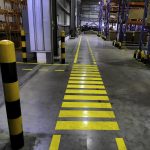
In the realm of industrial design, space is an invaluable asset. The efficient use of this asset often determines the success and productivity of a business. Mezzanine floors have emerged as a pivotal solution to the challenge of space management. By introducing an intermediate floor between the main floors of a building, these structures effectively double or even triple the usable area without the need for extensive renovations or new construction. This innovation is particularly advantageous in industries where vertical space is abundant but often underutilised, such as warehouses, factories, and large retail environments.
Mezzanine floors enable flexible space utilisation, allowing businesses to adapt their layouts without costly extensions. Warehouses can add storage above existing shelving, factories can expand production areas, and retail stores can increase display or office space. This adaptability offers a competitive advantage in today’s dynamic business environment.
These structures also enhance workflow efficiency by separating different operations within facilities, reducing clutter and improving material and personnel movement. This strategic implementation of mezzanine floors combines practicality with innovation to meet modern business needs.
Benefits of Mezzanine Floors for Efficiency
One of the most compelling benefits of mezzanine floors is the increase in operational efficiency they offer. By using vertical space, businesses can significantly expand their capacity without the need for costly and time-consuming renovations. This additional space can be used for various purposes, such as storage, production, or administrative functions, allowing companies to maximise their existing resources. The result is a more efficient use of space, which can lead to increased productivity and profitability.
Another key advantage of mezzanine floors is their flexibility. These structures can be customised to meet the specific needs of a business, whether that involves creating additional office space, expanding production areas, or increasing storage capacity. This adaptability is particularly valuable in industries that experience fluctuating demands or rapid growth. By providing a scalable solution, mezzanine floors enable businesses to respond quickly to changing conditions, ensuring that they remain agile and competitive.
Mezzanine floors enhance workflow by creating separate areas for different functions, reducing congestion and streamlining processes. In warehouses and factories, these structures enable dedicated spaces for storage, packing, and production, boosting operational efficiency and minimising errors.
Innovations in Mezzanine Floor Design
The evolution of mezzanine floor design has been driven by advancements in materials, engineering, and technology. Today’s mezzanine floors are not only more robust and durable but also more innovative and versatile. One of the most significant developments in this field is the use of lightweight, high-strength materials such as steel and aluminium. These materials offer excellent load-bearing capacity while reducing the overall weight of the structure, making installation quicker and easier.
In addition to material advancements, modern mezzanine floors benefit from improved engineering techniques. Computer-aided design (CAD) software allows for precise planning and customisation, ensuring that each mezzanine floor is tailored to the specific needs of the business. This level of precision enhances the functionality and efficiency of the mezzanine floor, as well as its aesthetic appeal. Furthermore, modular design options enable businesses to expand or reconfigure their mezzanine floors as needed, providing a flexible and scalable solution.
Technological innovations have also played a crucial role in the evolution of mezzanine floors. For instance, the integration of smart technology can enhance the functionality and efficiency of these structures. Features such as automated lighting, climate control, and security systems can be incorporated into mezzanine floors, creating a more comfortable and secure environment. Additionally, the use of advanced safety features, such as anti-slip surfaces and guardrails, ensures that mezzanine floors meet the highest standards of safety and compliance.
Choosing the Right Materials for Mezzanine Floors
Selecting the appropriate materials for mezzanine floors is a critical aspect of their design and implementation. The choice of materials affects not only the structural integrity and load-bearing capacity of the mezzanine floor but also its durability, maintenance requirements, and overall aesthetic appeal. Common materials used in mezzanine floor construction include steel, aluminium, and wood, each of which offers distinct advantages and considerations.
Steel is a popular choice for mezzanine floors due to its exceptional strength and durability. It can support heavy loads and withstand the rigours of industrial environments, making it ideal for applications such as warehouses and factories. Additionally, steel is resistant to fire and pests, ensuring a long lifespan with minimal maintenance. However, steel mezzanine floors can be heavier and more challenging to install compared to other materials, and they may require additional support structures to ensure stability.
Aluminium is another excellent material for mezzanine floors, offering a lightweight yet strong alternative to steel. Aluminium mezzanine floors are easier to install and can be customised to suit a wide range of applications. They are also resistant to corrosion, making them suitable for environments where moisture or chemicals are a concern. However, aluminium may not be as strong as steel, so it may not be the best choice for applications that require high load-bearing capacity.
Wood is a versatile and aesthetically pleasing option for mezzanine floors, particularly in retail and office environments. Wooden mezzanine floors can be customised to match the design and décor of the space, creating a warm and inviting atmosphere. However, wood may not be suitable for all industrial applications, as it is more susceptible to fire, pests, and moisture. Regular maintenance is also required to ensure the longevity and stability of wooden mezzanine floors.
Compliance and Safety Considerations
When implementing mezzanine floors, compliance with safety regulations and building codes is crucial. Meeting these standards is not only a legal obligation but also essential for the safety of employees and visitors. Key factors to consider include load-bearing capacity, fire safety, accessibility, and racking safety.
Load-bearing capacity is vital in mezzanine floor design. The structure must safely support the weight of materials, equipment, and personnel, necessitating careful planning and engineering. Adhering to building codes for minimum load-bearing requirements ensures both stability and regulatory compliance.
Fire safety is another crucial aspect of mezzanine floor design. Mezzanine floors must be constructed with fire-resistant materials and include fire safety features such as sprinkler systems, fire exits, and clear signage. Ensuring that mezzanine floors meet fire safety regulations is essential for protecting employees and minimising the risk of fire-related incidents. Regular inspections and maintenance are also required to ensure that fire safety features remain functional and effective.
Accessibility is also an important consideration in mezzanine floor design. Mezzanine floors must be designed to be accessible to all employees, including those with disabilities. This may involve the inclusion of ramps, lifts, or other accessibility features. Ensuring that mezzanine floors are accessible not only meets legal requirements but also promotes an inclusive and equitable working environment.
Racking safety is an essential component of mezzanine floor compliance. Proper design and installation of racking systems ensure that they can support the intended loads and are secured to prevent tipping or collapse. Regular audits and inspections of both the mezzanine and racking systems are necessary to maintain safety standards and ensure efficient operation.
Future Trends in Mezzanine Floor Technology
As technology continues to advance, the future of mezzanine floors looks increasingly innovative and promising. One of the most exciting trends is the integration of smart technology into mezzanine floor design. Smart mezzanine floors can be equipped with sensors and automation systems to enhance functionality and efficiency. For example, sensors can monitor the structural integrity of the mezzanine floor, detect potential issues, and alert maintenance personnel before problems arise. Automation systems can control lighting, climate, and security features, creating a more comfortable and secure environment.
Sustainability is another significant trend in mezzanine floor technology. As businesses increasingly focus on reducing their environmental impact, sustainable materials and construction practices are becoming more important. Mezzanine floors made from recycled or eco-friendly materials can help reduce the carbon footprint of a facility. Additionally, energy-efficient lighting and climate control systems can be incorporated into mezzanine floors to reduce energy consumption and operational costs.
Modular and flexible design is also a key trend in the future of mezzanine floors. Modular mezzanine floors can be easily assembled, disassembled, and reconfigured to meet changing needs. This flexibility is particularly valuable in industries that experience rapid growth or fluctuating demands. By providing a scalable solution, modular mezzanine floors enable businesses to adapt quickly to changing conditions and maintain a competitive edge.
Cost Analysis: Mezzanine Floors vs. Traditional Solutions
When considering the implementation of mezzanine floors, it is essential to analyse the costs and benefits compared to traditional space expansion solutions. One of the primary advantages of mezzanine floors is their cost-effectiveness. Building a new facility or extending an existing one can be prohibitively expensive and time-consuming. In contrast, mezzanine floors offer a more affordable and quicker solution by utilising existing vertical space.
The initial cost of installing a mezzanine floor varies based on size, materials, and complexity, but it is generally much lower than traditional construction. Furthermore, mezzanine floors usually require less downtime for installation, minimising disruption and allowing businesses to maintain operations, which helps preserve productivity and revenue.
The long-term benefits also enhance their cost-effectiveness. By maximising existing space, businesses can avoid ongoing expenses related to leasing or purchasing additional properties. Mezzanine floors improve operational efficiency, boosting productivity and profitability. Their flexibility and scalability allow for easy adaptations to changing needs, reducing the likelihood of future renovations or relocations.
Conclusion and Future Outlook
The future of industrial design is undoubtedly being shaped by the innovative and practical solution of mezzanine floors. As businesses continue to seek ways to optimise their operations and maximise space efficiency, mezzanine floors offer a versatile and cost-effective solution. By providing additional square footage without the need for significant renovations, these structures enable businesses to streamline their layouts, improve workflow, and enhance productivity.
The advantages of mezzanine floors are both extensive and significant. From increased operational efficiency and flexibility to improved workflow and organisation, these structures offer a range of advantages that can significantly impact the success and profitability of a business. The evolution of mezzanine floor design, driven by advancements in materials, engineering, and technology, further enhances their appeal and functionality.
As we look to the future, the role of mezzanine floors in industrial design is set to become even more prominent. The integration of smart technology, sustainable materials, and modular design options will continue to drive innovation and improve the effectiveness of these structures. By embracing the potential of mezzanine floors, businesses can create more organised, dynamic, and efficient environments that meet the demands of modern industry.
In conclusion, mezzanine floors represent a transformative aspect of industrial design, offering a flexible and scalable solution for maximising space efficiency. As businesses strive to optimise their operations and adapt to changing needs, mezzanine floors provide a valuable tool for enhancing productivity and achieving long-term success. By investing in these innovative structures, companies can elevate their workspaces and position themselves for a prosperous future.