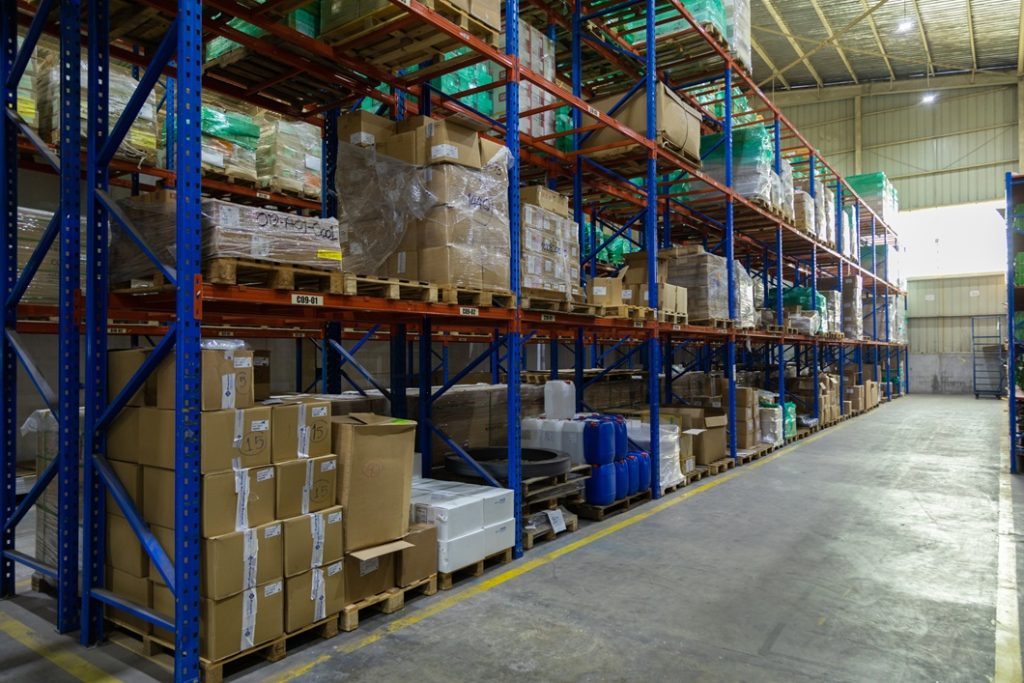
Warehouse racking plays a vital role in keeping goods organised, accessible and safely stored. Whether your business handles pallets, cartons, long loads or heavy materials, your storage system is one of the most important parts of your operation. When it is working properly, it helps improve efficiency, maximise space and support smooth day-to-day activity. When it is damaged, overloaded or no longer suitable, it can quickly become a serious safety risk.
Racking systems are often used continuously in busy warehouse environments. Forklifts move in and out of aisles, pallets are loaded and removed, stock levels fluctuate, and layouts may change as the business grows. Over time, even a well-installed racking system can suffer from wear, accidental impact or operational misuse. This is why regular inspections, maintenance and prompt repairs are essential.
Businesses have a responsibility to provide a safe working environment and to ensure that storage equipment remains fit for purpose. Identifying the warning signs early can help prevent accidents, reduce downtime and avoid more costly replacements in the future.
Does Your Warehouse Racking Need Attention?
Visible Damage to Uprights, Beams or Bracing
One of the clearest signs that racking needs attention is visible damage to the structure. This may include bent uprights, dented beams, twisted bracing, damaged footplates or missing safety components. In many warehouses, this type of damage is caused by forklift impact, incorrect pallet handling or accidental knocks during loading and unloading.
Even minor-looking damage should not be ignored. Racking systems are designed to carry specific loads in a controlled way. If a structural component is bent, cracked or weakened, the system may no longer be able to support weight safely. Damage can also worsen over time, especially if the affected area continues to be used.
Warehouse teams should be trained to report any visible racking damage immediately. The affected bay or section may need to be unloaded and isolated until a competent person has assessed it. In some cases, a repair may be possible using manufacturer-approved components. In others, replacement may be the safest option.
Regular visual checks are important, but they should not replace formal inspections. A structured inspection programme helps ensure damage is recorded, assessed and resolved before it becomes a serious hazard.
Racking Is Leaning, Unstable or Out of Alignment
Racking should stand straight, level and properly aligned. If you notice that a run of racking is leaning, bowing or appearing uneven, this is a strong indication that something is wrong. Misalignment can occur for several reasons, including impact damage, poor installation, floor movement, overloading or incorrectly adjusted beams.
A leaning rack may not distribute load weight evenly. This can place additional stress on uprights, beams, fixings and floor anchors. If left unresolved, instability may increase the risk of partial or complete collapse.
It is also important to check whether the racking has shifted from its original position. Loose floor fixings, damaged baseplates or missing anchors can affect the stability of the system. Any signs of movement should be investigated promptly.
If racking appears unstable, businesses should avoid continuing to use it until it has been inspected. Attempting to straighten or repair racking without the right expertise can create further risks. A professional inspection can identify whether the issue can be corrected or whether replacement parts are required.
Beams Are Deflecting or Sagging
Warehouse racking beams are designed to carry a specific load, but they should not appear excessively bowed or sagging. Some slight deflection may be expected when beams are loaded, depending on the system design, but noticeable sagging can indicate overloading, damage or fatigue.
Beam deflection may occur when pallets exceed the permitted weight limit, when loads are unevenly distributed, or when beams have been weakened by impact. If beams do not return to their normal position once unloaded, this may suggest permanent deformation.
This is a serious warning sign. A weakened beam may fail under load, putting employees, stock and equipment at risk. It can also affect neighbouring bays, as racking systems are interconnected and rely on structural integrity across the whole installation.
Load notices should be clearly displayed and followed at all times. Warehouse teams must understand the maximum load capacity for each bay and beam level. If stock profiles change, or heavier goods are introduced, the racking specification should be reviewed to ensure it remains suitable.
Rust, Corrosion or General Deterioration
Racking used in damp, cold or harsh environments may be vulnerable to rust and corrosion. This can be a particular concern in outdoor storage areas, chilled environments, older warehouses or facilities where liquids are stored or handled.
Corrosion can weaken steel components and reduce the load-bearing capacity of the system. Surface rust may seem minor at first, but it can spread and worsen if not addressed. More advanced corrosion, especially around uprights, footplates, beams and connection points, should be treated as a priority.
General deterioration may also include worn connectors, damaged locking pins, loose fixings, cracked welds or missing protection. Older racking systems may become harder to maintain if spare parts are no longer readily available or if the manufacturer’s original specification is unknown.
In some cases, individual components can be replaced. However, if deterioration is widespread, replacing the system may be more cost-effective and safer in the long term. A full racking inspection can help determine whether repairs are sufficient or whether a more comprehensive upgrade is required.
Missing or Damaged Safety Components
Safety components are an important part of any warehouse racking installation. These may include beam locking pins, column guards, rack end barriers, pallet support bars, load notices, floor fixings and upright protectors. If these items are missing, damaged or incorrectly fitted, the safety of the racking system may be compromised.
Beam locking pins, for example, help prevent beams from being accidentally dislodged during pallet handling. Upright protectors and barriers help reduce the impact of forklift collisions. Load notices provide essential information about safe weight limits and correct usage.
Although these components may seem small compared with the main racking structure, they play an important role in reducing risk. Missing or damaged safety features should be replaced as soon as possible.
It is also worth considering whether your current level of protection is suitable for the way your warehouse operates. If forklift traffic has increased, aisle widths have changed or pedestrian routes are close to racking, additional protection may be needed.
Your Storage Requirements Have Changed
Racking does not only need replacing because it is damaged. Sometimes, the system is simply no longer suitable for the way the business operates.
Many warehouses evolve over time. Stock lines change, pallet sizes vary, order volumes increase, or new handling equipment is introduced. A racking layout that worked well several years ago may now be inefficient, difficult to access or unsuitable for current loads.
Signs that your storage requirements have changed may include:
- Pallets overhanging beams
- Mixed or inconsistent pallet sizes
- Congested aisles
- Slow picking routes
- Difficulty accessing stock
- Frequent reorganisation of goods
- Poor use of vertical space
- Increased risk of forklift impact
If your operation has outgrown the original racking design, repeated small adjustments may not be enough. A redesigned storage system could improve safety, increase capacity and support better workflow.
This is particularly important if you are storing heavier goods, unusual load types or high-turnover stock. Using racking that is not designed for the current application can create both safety and efficiency problems.
Inspection Reports Keep Flagging the Same Issues
Regular racking inspections are essential for identifying problems, but the findings must also be acted upon. If inspection reports keep highlighting the same issues, it may suggest that your current system needs more than occasional repairs.
Repeated damage in the same areas may indicate a layout problem. For example, narrow aisles, tight turning spaces, poor visibility or badly positioned stock can increase the likelihood of forklift impact. In this case, repairing damaged components without addressing the root cause may only provide a temporary solution.
Similarly, repeated reports of overloading, missing pins or damaged beams may suggest that staff training, signage or operational procedures need to be reviewed.
Inspection reports provide valuable insight into how your racking is performing in real working conditions. By reviewing patterns over time, businesses can decide whether targeted repairs, added protection, layout changes or full replacement would deliver the best outcome.
Repair or Replace: How Do You Decide?
The decision to repair or replace warehouse racking depends on several factors. These include the extent of the damage, the age and condition of the system, availability of compatible parts, current load requirements and the overall safety of the installation.
Repairs may be suitable when damage is limited, the system is otherwise in good condition, and replacement components are available. However, repairs should always be carried out using appropriate parts and by competent personnel. Mixing incompatible components or making unapproved alterations can compromise the system’s integrity.
Replacement may be the better option when damage is widespread, the system no longer meets operational needs, or the racking has reached the end of its useful life. Although replacement may involve a higher upfront cost, it can provide long-term benefits through improved safety, better storage capacity and reduced maintenance issues.
A professional racking assessment can help you make an informed decision. Rather than guessing whether damage is serious, businesses should seek expert advice and ensure any action taken is suitable for the specific system and working environment.
Why Regular Racking Inspections Matter
Racking inspections should form part of a wider warehouse safety programme. Daily visual checks by employees can help identify obvious issues, while more detailed inspections should be carried out at suitable intervals by a competent person.
A good inspection process should include:
- Checking uprights, beams and bracing for damage
- Ensuring beams are correctly seated and locking pins are in place
- Looking for signs of overloading or incorrect pallet placement
- Checking floor fixings and baseplates
- Reviewing load notices and safe working limits
- Identifying repeated impact zones
- Recording findings and taking corrective action
Inspections are not just about compliance. They also help protect employees, stock, equipment and business continuity. A racking failure can cause serious injury, damage valuable goods and lead to significant disruption.
By identifying problems early, businesses can plan repairs, reduce risk and avoid unexpected downtime.
Creating a Safer and More Efficient Warehouse
Damaged or unsuitable racking should never be treated as a minor inconvenience. It is a key part of warehouse infrastructure and has a direct impact on safety, productivity and storage performance.
By looking out for visible damage, instability, sagging beams, corrosion, missing safety components, changing storage needs and repeated inspection issues, businesses can take action before problems escalate.
Whether your racking needs a simple repair, additional protection or a complete redesign, addressing issues promptly will help create a safer and more efficient working environment. Regular inspections, staff awareness and expert support all play an important role in keeping warehouse storage systems safe, compliant and fit for purpose.
If you are unsure whether your warehouse racking needs repairing or replacing, it is always best to arrange a professional assessment. Early advice can help you avoid unnecessary risk, protect your workforce and ensure your storage system continues to support your business effectively.