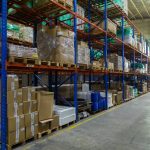
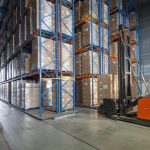
The importance of space utilisation in warehousing cannot be overstated. As businesses grow and inventory levels increase, the demand for storage space becomes paramount. Efficient space utilisation is essential not only for accommodating more stock but also for ensuring a smooth flow of operations. Warehouses that maximise their space can store more products, which directly impacts their capacity to fulfil orders quickly and accurately. This efficiency is crucial in meeting customer expectations and maintaining competitive advantage in a fast-paced market.
Moreover, optimising warehouse space can significantly reduce overhead costs. By making the best use of available space, businesses can avoid the expenses associated with warehouse expansion or renting additional storage facilities. This is particularly important for companies operating in urban areas where real estate prices are high. Efficient space utilisation helps in maintaining a lean operation, reducing the need for additional investment in storage infrastructure and allowing businesses to allocate resources to other critical areas such as technology and personnel.
In addition, effective space management contributes to improved safety and organisation within the warehouse. A well-organised warehouse minimises the risk of accidents and damage to goods. Properly stored items are less likely to be misplaced, leading to fewer inventory errors and better stock control. This organisation also enhances the speed and accuracy of order picking processes, ensuring that products are dispatched promptly and correctly. Ultimately, maximising space utilisation is a foundational aspect of running a successful and efficient warehouse operation.
Key Features of Cantilever Racking Systems
Cantilever racking systems are designed with several key features that make them ideal for maximising warehouse space. One of the most notable features is their versatile design, which allows for the storage of various types of loads, including long, bulky items such as pipes, lumber, and steel bars. Unlike traditional shelving systems, cantilever racks do not have front columns, providing unobstructed access to stored items and making it easier to load and unload goods.
Another important feature of cantilever racking systems is their adjustable arms. These arms can be positioned at different heights to accommodate various load sizes and shapes, offering flexibility in how items are stored. This adjustability is particularly useful for warehouses with diverse inventory, as it allows for customisation based on the specific needs of the business. The ability to adjust the arms ensures that all available vertical space is utilised, preventing wasted space and improving overall storage efficiency.
Cantilever racks are also known for their robust construction and durability. Made from high-quality steel, these racks can support heavy loads and withstand the rigours of a busy warehouse environment. The sturdy design ensures that the racks remain stable and secure, even when storing large quantities of goods. This durability not only enhances the safety of the warehouse but also provides a long-term solution for storage needs, reducing the need for frequent replacements and maintenance.
Benefits of Implementing Cantilever Racking
Implementing cantilever racking systems in your warehouse offers numerous benefits that can significantly improve space utilisation and operational efficiency. One of the primary advantages is the ability to store long and bulky items that are difficult to accommodate with traditional shelving. Cantilever racks provide a solution for items such as pipes, lumber, and sheet metal, allowing them to be stored vertically and freeing up valuable floor space for other uses.
Another key benefit is improved accessibility. The open design of cantilever racks eliminates the need for front columns, providing unobstructed access to stored items. This ease of access simplifies the loading and unloading process, reducing the time and effort required to handle inventory. Workers can quickly retrieve items without navigating around obstacles, enhancing productivity, and streamlining operations.
Cantilever racking systems also contribute to better inventory management. The adjustable arms and versatile design allow for customisation based on the specific needs of the warehouse. This flexibility ensures that all available space is utilised efficiently, preventing overcrowding and disorganisation. A well-organised warehouse leads to fewer inventory errors, improved stock control, and faster order fulfilment. Additionally, the sturdy construction of cantilever racks enhances the safety of the storage environment, reducing the risk of accidents and damage to goods.
Types of Cantilever Racking Systems
There are several types of cantilever racking systems available, each designed to meet specific storage needs and requirements. One common type is the single-sided cantilever rack, which is ideal for warehouses with limited space. These racks are designed to be placed against a wall, maximising vertical storage while freeing up floor space for other activities. Single-sided cantilever racks are perfect for storing long items such as pipes and lumber, providing easy access and efficient use of space.
Another popular type is the double-sided cantilever rack. These racks feature arms on both sides, allowing for storage of goods on both sides of the rack. Double-sided cantilever racks are ideal for larger warehouses with ample floor space, offering increased storage capacity and improved accessibility. The design of these racks ensures that all available space is utilised, making them a suitable option for storing a wide range of items, from bulky materials to smaller, irregularly shaped goods.
Mobile cantilever racking systems are also available, providing additional flexibility and convenience. These racks are mounted on wheels or tracks, allowing them to be moved and repositioned as needed. Mobile cantilever racks are ideal for warehouses with dynamic storage needs, where inventory levels and types of goods frequently change. The ability to move racks ensures that the storage layout can be easily adjusted to accommodate varying requirements, enhancing overall space utilisation and operational efficiency.
How Cantilever Racking Improves Operational Efficiency
Cantilever racking systems significantly improve operational efficiency in warehouses by streamlining storage and retrieval processes. The open design of cantilever racks allows for easy access to stored items, reducing the time and effort required to handle inventory. Workers can quickly retrieve items without navigating around obstacles, enhancing productivity, and ensuring that orders are fulfilled promptly. This efficiency is particularly important in fast-paced environments where speed and accuracy are crucial.
The adjustable arms of cantilever racking systems offer flexibility in how items are stored, allowing for customisation based on the specific needs of the warehouse. This versatility ensures that all available space is utilised efficiently, preventing overcrowding and disorganisation. A well-organised warehouse leads to fewer inventory errors, improved stock control, and faster order fulfilment. The ability to adjust the arms also means that the storage layout can be easily modified as inventory levels and types of goods change, ensuring that the warehouse remains adaptable and efficient.
Cantilever racking systems also contribute to improved safety and organisation within the warehouse. The sturdy construction of the racks enhances the stability and security of stored items, reducing the risk of accidents and damage to goods. Properly stored items are less likely to be misplaced, leading to better inventory management and fewer errors. This organisation also enhances the speed and accuracy of order picking processes, ensuring that products are dispatched promptly and correctly. Ultimately, cantilever racking systems provide a comprehensive solution for improving operational efficiency and maximising space utilisation.
Factors to Consider When Choosing Cantilever Racking
When choosing cantilever racking systems for your warehouse, there are several factors to consider, to ensure that you select the most suitable option for your needs. One crucial factor is the type of goods you intend to store. Cantilever racks are ideal for long and bulky items such as pipes, lumber, and sheet metal, but they can also accommodate smaller, irregularly shaped goods. Understanding the specific storage requirements of your inventory will help you choose the right type of cantilever rack.
Another factor to consider is the available space in your warehouse. Cantilever racking systems come in various sizes and configurations, including single-sided, double-sided, and mobile options. Assessing the layout and dimensions of your warehouse will help you determine the most appropriate type of cantilever rack to maximise space utilisation. Additionally, consider the height of your warehouse and the weight capacity of the racks to ensure that they can support your inventory and optimise vertical storage.
The durability and quality of the cantilever racking system are also crucial factors to consider. Investing in high-quality racks made from sturdy materials such as steel will ensure that they can withstand the rigours of a busy warehouse environment. Durable racks provide a long-term solution for storage needs, reducing the need for frequent replacements and maintenance. Additionally, consider the ease of installation and maintenance of the cantilever racking system to ensure that it can be seamlessly integrated into your warehouse operations.
Installation and Maintenance of Cantilever Racking Systems
Proper installation and maintenance of cantilever racking systems are essential for ensuring their effectiveness and longevity. The installation process should be carried out by experienced professionals to ensure that the racks are securely and accurately positioned. This involves assessing the layout and dimensions of the warehouse, selecting the appropriate type of cantilever rack, and assembling the components according to manufacturer guidelines. Proper installation ensures that the racks remain stable and secure, reducing the risk of accidents and damage to goods.
Maintenance of cantilever racking systems is equally important to ensure their optimal performance and durability. Regular inspections should be conducted to check for any signs of wear and tear, such as rust, dents, or loose fittings. Addressing these issues promptly will prevent further damage and ensure that the racks continue to provide a safe and efficient storage solution. Additionally, routine cleaning of the racks will help maintain their appearance and prevent the accumulation of dust and debris, which can impact the stability and accessibility of stored items.
Training warehouse staff on the proper use and maintenance of cantilever racking systems is also crucial. Workers should be familiar with the loading and unloading processes, weight capacity limits, and safety protocols to ensure that the racks are used correctly and safely. Providing ongoing training and updates on best practices will help maintain a well-organised and efficient warehouse environment, maximising the benefits of cantilever racking systems.
Case Studies: Successful Implementation of Cantilever Racking
Several businesses have successfully implemented cantilever racking systems to maximise space utilisation and improve operational efficiency. One notable example is a large construction materials supplier that struggled with storing long and bulky items such as pipes and lumber. By installing single-sided cantilever racks against the walls of their warehouse, they were able to store these items vertically, freeing up valuable floor space and enhancing accessibility. The improved organisation and ease of access resulted in faster order fulfilment and better inventory management.
Another case study involves a steel manufacturing company that needed to store heavy and irregularly shaped metal sheets. They opted for double-sided cantilever racking systems, which provided ample storage capacity and allowed for easy retrieval of the sheets from both sides of the racks. The sturdy construction of the racks ensured that the heavy loads were securely stored, reducing the risk of accidents and damage. The implementation of cantilever racking systems significantly improved the efficiency of their storage and retrieval processes, contributing to increased productivity and reduced operational costs.
A third example is a furniture manufacturer that required flexible storage solutions for their diverse inventory, including long boards, small parts, and irregularly shaped pieces. They chose mobile cantilever racking systems, which allowed them to adjust the layout and position of the racks based on their changing storage needs. The ability to move the racks provided additional flexibility and convenience, ensuring that all available space was utilised efficiently. The successful implementation of mobile cantilever racking systems enhanced their inventory management and streamlined their operations.
Conclusion: The Future of Warehousing with Cantilever Racking Systems
The future of warehousing is undoubtedly shaped by innovative storage solutions such as cantilever racking systems. As businesses continue to seek ways to maximise space utilisation and improve operational efficiency, cantilever racks offer a versatile and effective solution for accommodating a wide variety of loads. Their open design, adjustable arms, and robust construction make them ideal for storing long, bulky items as well as smaller, irregularly shaped goods.
Cantilever racking systems not only transform the way warehouses organise and retrieve inventory but also contribute to a more structured and organised environment. The benefits of improved accessibility, enhanced inventory management, and better safety make cantilever racks a valuable investment for any warehouse operation. By choosing the right type of cantilever racking system and ensuring proper installation and maintenance, businesses can unlock their warehouse’s true potential and drive greater success.
As the warehousing industry evolves, the demand for efficient and flexible storage solutions will continue to grow. Cantilever racking systems are well-positioned to meet this demand, offering a comprehensive solution for maximising space utilisation and enhancing operational efficiency. By staying informed about the latest advancements and best practices in cantilever racking, businesses can make informed decisions that support their growth and competitiveness in a dynamic market.